
Meryl speaks with Simon Baston, Managing Director of LoftCo, one of the major players in heritage property development in South Wales.
To Simon, it’s quite simple. The importance of using old buildings for new purposes lies in protecting heritage, supporting sustainability, and creating innovative and long-term solutions for an ever-changing marketplace.
Their developments across have resulted in more than 500 long-term jobs so far, as well as supporting over 100 independent businesses. “We are an independent business community in Wales,” says Simon. “Supporting local businesses should be at the forefront of everyone’s mind.”
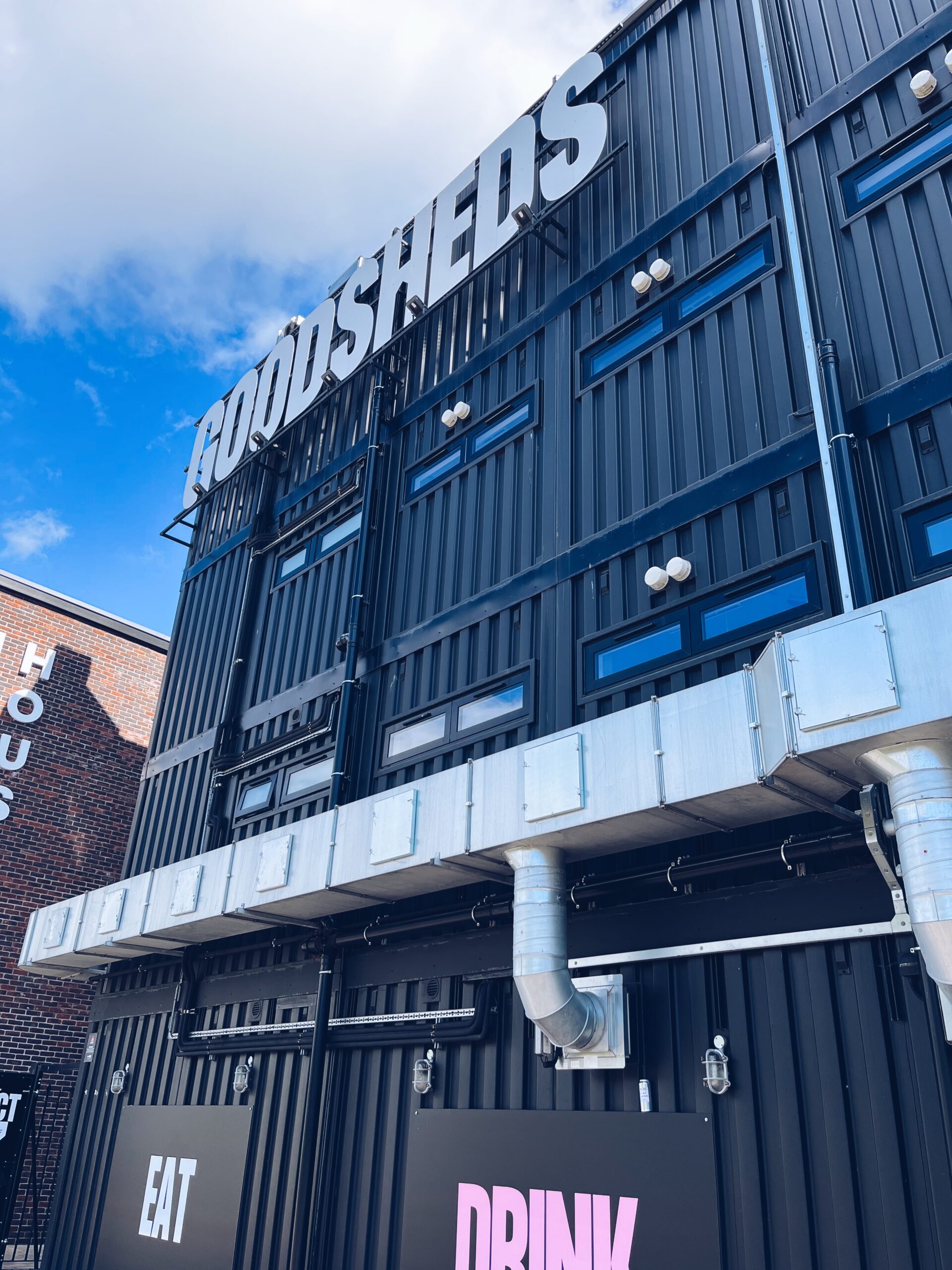
Barry, for example, has seen significant regeneration through The Pumphouse and Goodsheds projects. In fact, they have been catalysts for growth among businesses in the town.
Rosie Oretti, owner of Grounds for Good, who are now based at Goodsheds said, “Goodsheds is a real destination, with eating, drinking and retail all in one place. Now we have a retail space in a converted train carriage – a talking point in itself. There’s a genuine community of independent traders, with plenty of opportunities for collaboration. On top of that, Goodsheds provides us with a well-maintained, secure space and fantastic marketing support.” Simon added: “As well as creating significant employment opportunities in Barry, the projects pay homage to the town’s history as one of the busiest ports in the world.”
I ask for his thoughts on how can Wales move forward in a more sustainable way? “The most sustainable way to build is to use inherited energy. To use buildings for another purpose,” he says. “For example, every high street in the UK has huge unused upper floors. These were once secondary offices, and the answer is to convert them to residential. This makes for a more vibrant city centre and is also a solution for reducing pressure on public transport and lowering people’s carbon footprint. More importantly, it gives many young people an opportunity to join the property market.”
I am intrigued to know what drives Simon’s business. Why do what he does? “I could have built on plain grass years ago and it would have been a much more profitable position, but my goal has always been to bring as much inner-city regeneration to Wales as possible, particularly with long-term business opportunities for people. This in turn helps create employment opportunities that are sustainable.”
I ask him what the future holds for Wales and its regeneration. “Wales has massive opportunities. Swathes of brownfield land, redundant docks, and huge upper floors in city centres. Legislation, compliance, and incentivisation can ensure these areas are regenerated first. In particular, we need planning and compliance requirements to ease in order to bring complex brownfield sites to market. It’s going to be impossible for a private sector company alone to influence change and take these on. It will need joined-up thinking between the public and private sectors to make real progress.”

LoftCo celebrated ten years of successful regeneration projects in 2025. The company is currently delivering two major new developments in Cardiff. The transformation of a disused historic arcade in the city centre into HYS Food Hall, and the creation of Platform Food Hall in Cardiff Bay, both set to open in 2026.
“We are incredibly proud to present Cardiff’s largest food hall, and to do so in such an iconic location,” says Simon. “Cardiff is one of the UK’s fastest-growing cities, and as our capital, this project is particularly close to us.
“This is a fantastic opportunity to showcase the best of Cardiff’s heritage while creating something completely new and exciting for the city. This will be a landmark project for us and, we hope, an asset for the people of Cardiff. We’ve worked in true partnership with the Welsh Government, local authorities, and the Development Bank of Wales, and their continued support has helped us take on some of Wales’s most complex and characterful buildings.
Regeneration of landmark buildings by LoftCo
- Tramshed, Cardiff
- Pumphouse, Barry
- Jennings Building, Porthcawl
- Goodsheds, Barry
- Newport Market
- Albert Hall, Swansea
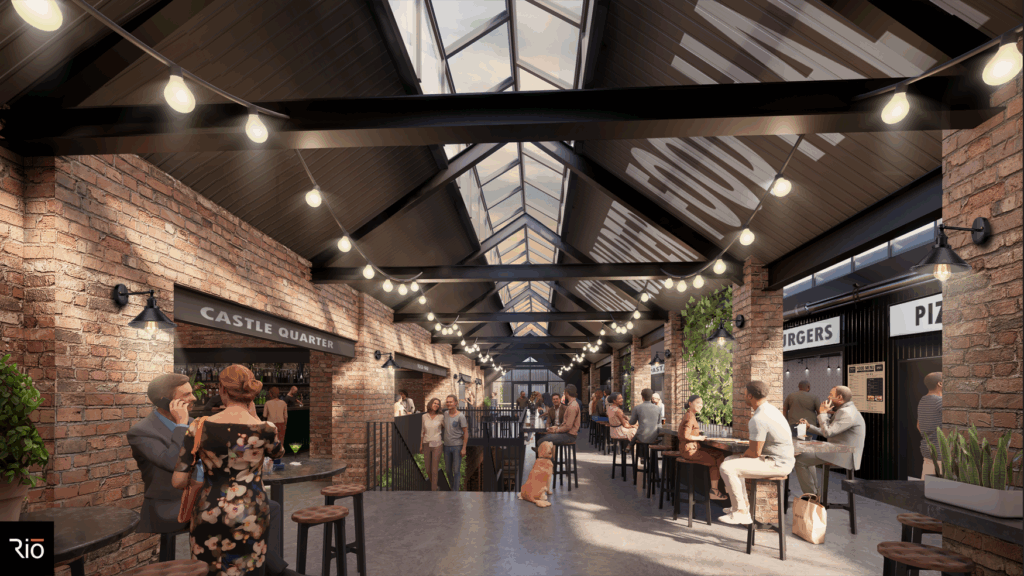
HYS Food Hall
LoftCo has been at the forefront of reimagining Wales’s most significant historic buildings, bringing them back to life for the 21st century. At a time when many developers opt for easy rebuilds or allow old structures to deteriorate, LoftCo has carved out a unique role as one of the few companies willing to take on complex regeneration projects. Their projects have become synonymous with placemaking, community, and innovation. And the company has received multiple awards for its work.
South Wales is rich in architectural history, yet many landmark buildings face uncertain futures. LoftCo has proven that these spaces can thrive again, contributing to the economy, supporting local communities, and elevating town and city centres. By saving buildings others overlook, the company not only preserves heritage but also creates modern destinations for work, leisure, and culture.
“Our philosophy is simple: we don’t just restore buildings, we give them a new purpose. Every project is about balancing respect for the past with the needs of today, making sure these incredible spaces have a future,” says Simon. “We believe that historic buildings are part of the social fabric of Wales. By bringing them back into use, we’re creating opportunities, jobs, and destinations that matter to local communities. As Wales continues to push boundaries in regeneration, we see that old buildings can be more than relics. They can be engines of culture, creativity, and commerce when they are given the opportunity to shine again.”