Hauntingly beautiful. A deeply immersive experience.
I’ll admit, I’ve had very little hands‑on experience with Virtual Reality (VR). I mostly thought of it as a gaming tool or something for silly virtual videos. But Earths to Come has completely shifted that perspective. Rose Bond and her collaborators have shown us proof that VR can break boundaries and redefine what it means to experience art.
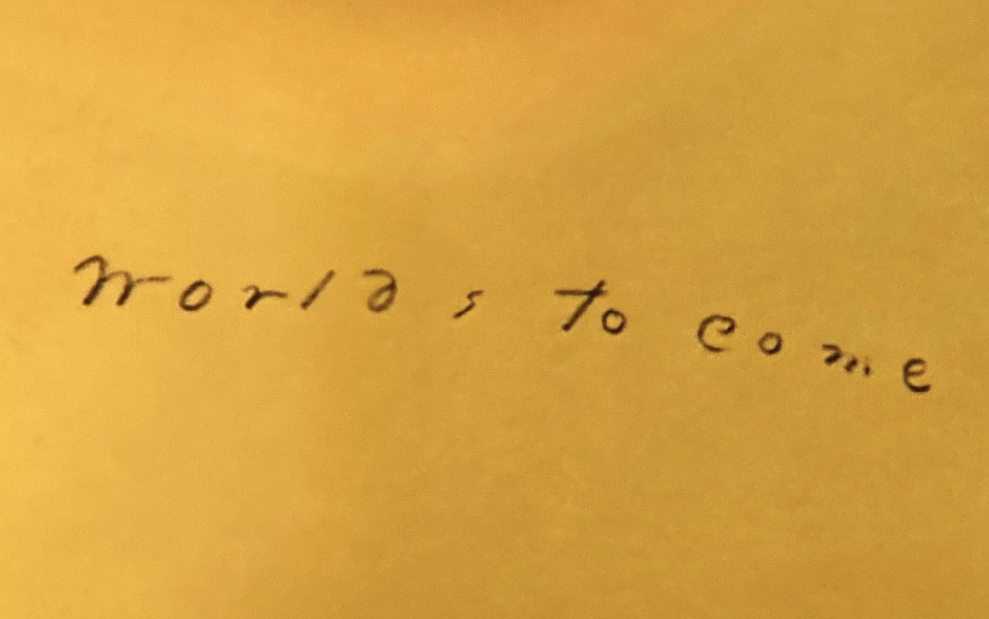
So what is VR? At its core, Virtual Reality is a computer‑generated simulation that places the user inside a three‑dimensional environment. Using headsets and spatial audio, it creates the illusion of really being there. you don’t just watch a scene, you step into it. While VR is often associated with gaming, its potential stretches far wider: education, live performances, and now, immersive art.
Cardiff has become a hub for this kind of innovation. CULTVR Lab, Europe’s first immersive cross‑disciplinary space, opened in the city in 2019 and has been pioneering shared VR experiences ever since. It seems that Wales isn’t just participating in the expanding use of VR but helping to lead it and with the Wales Millennium Centre hosting major immersive installations like Earths to Come, it now stands alongside CULTVR as one of the country’s key names in VR art experiences.
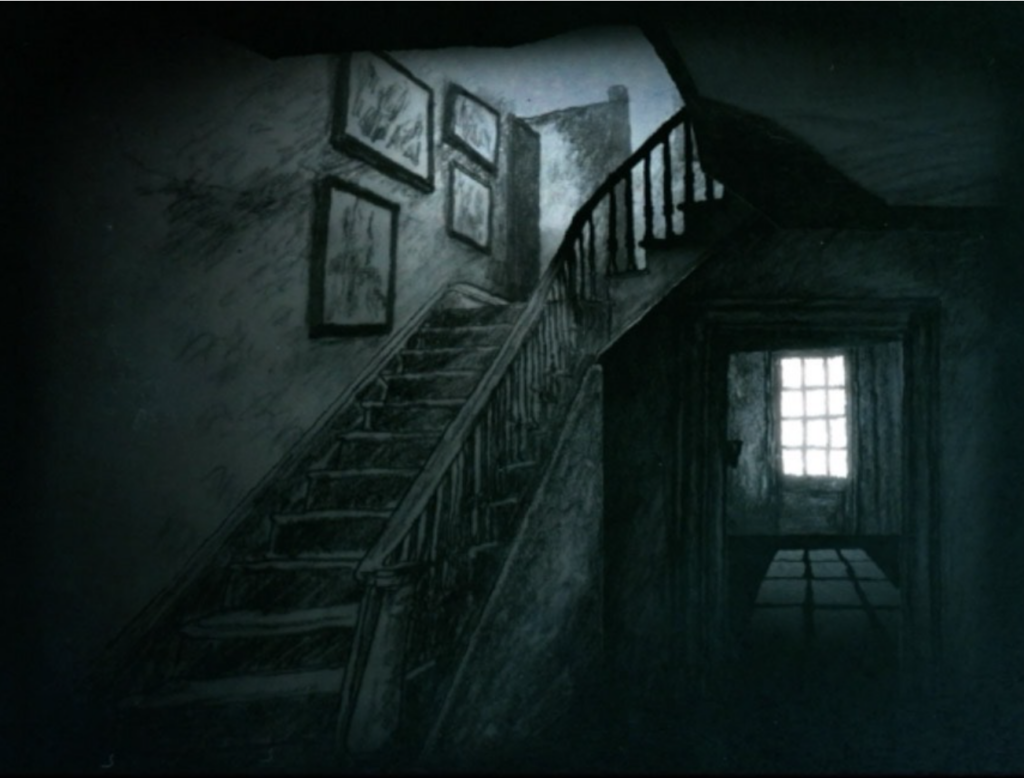
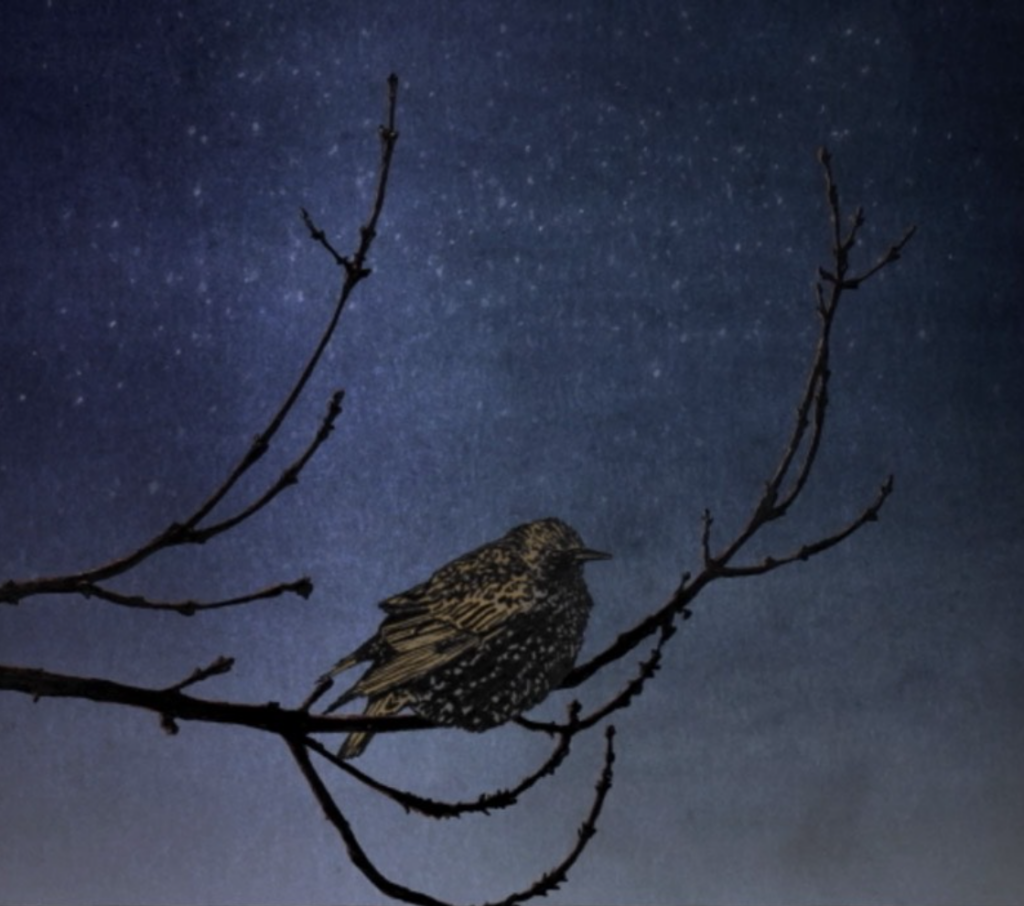
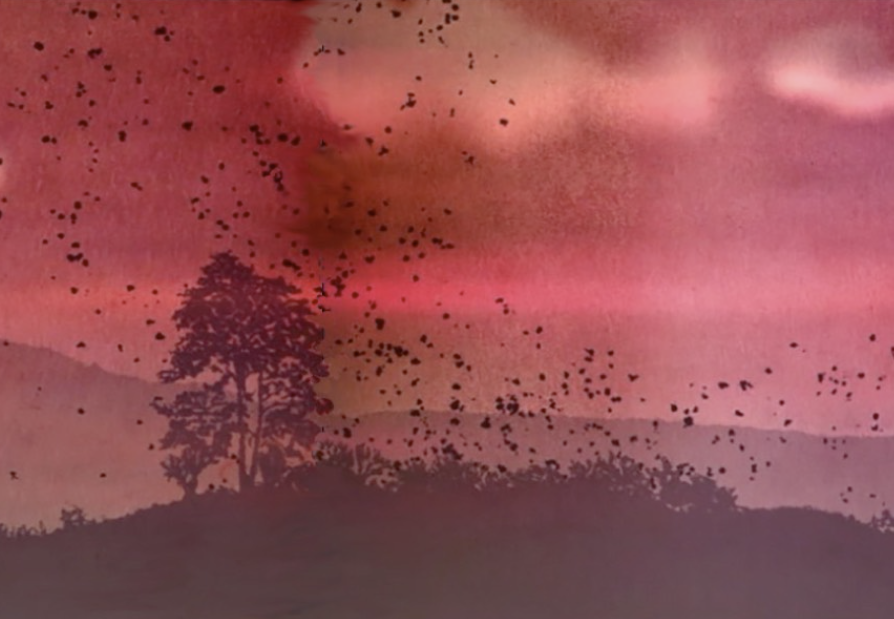
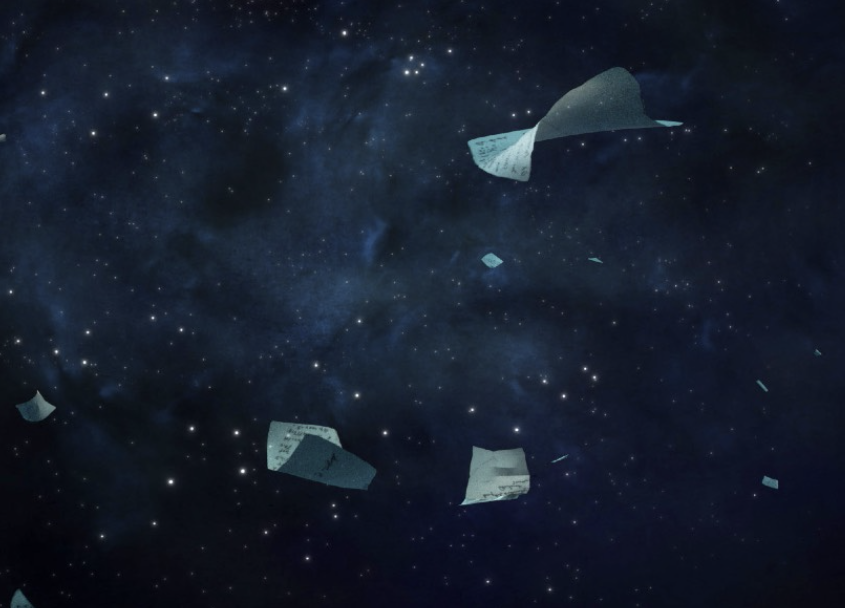
Earths to Come premiered at the 2024 Venice Biennale Cinema Immersive, this 13‑minute communal VR installation takes inspiration from an eight‑line poem by Emily Dickinson. With direction by Rose Bond, voices from Roomful of Teeth, music by inti figgis‑vizueta, spatial sound design by Massimiliano ‘Max’ Borghesi, composite art by Zak Margolis, sound engineering by Randall Squires, and creative production by Melanie Coombs — the result is something truly magnificent. Bond says in a statement about the piece, “Coming from a school of animation that values gesture over spoken word, I regard 3D space as a gift – an expansion from the flatness of film – and another axis for expression and cinematic choreography. Sound, omnipresent in nature has long inhabited the space between sense and sensation. This communal VR installation, seeks a communal experience – one that verges on the haptic with exquisite spatial precision.”
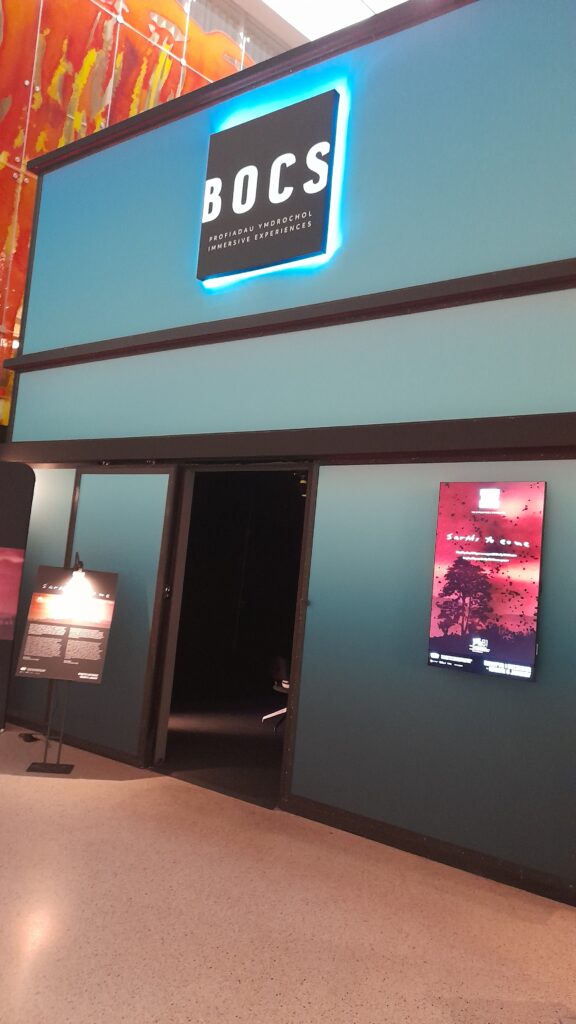
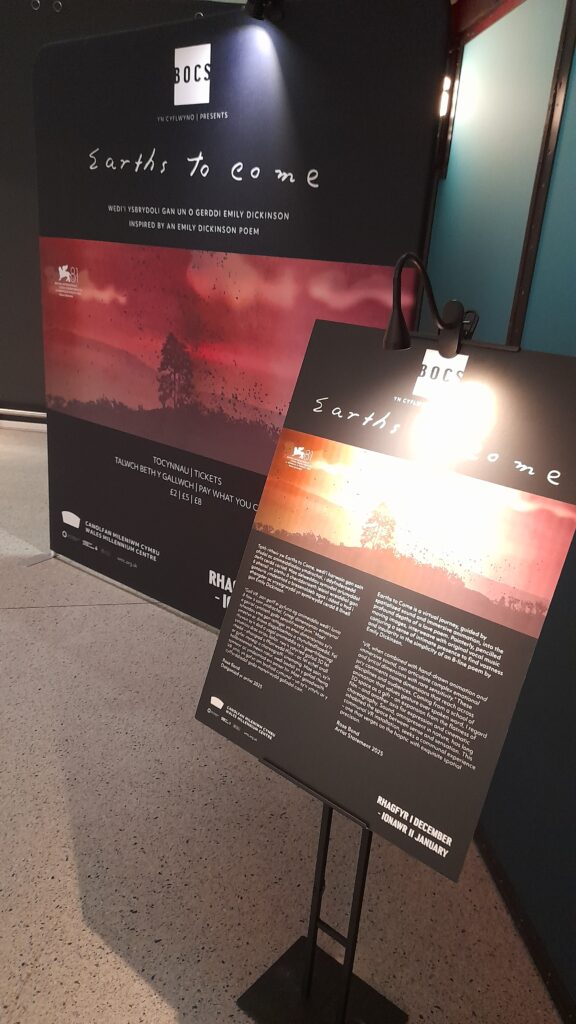
On the night, we were warmly welcomed by the professional team at Wales Millennium Centre, and Rose Bond herself gave a thoughtful introduction before staying on for a Q&A, where we learn’t more about Rose’s work in cinema and experimental animation, spoke about how incredible it was that whether you’re in a small group experiencing it through a VR headset or having it projected on a larger scale, Earths to Come maintains its powerful effect. Bond also commented on the value of VR and how it is finding its own special place within the film and art community. It doesn’t isolate those who like to sketch or paint, but allows them to collaborate with other mediums and create something special. It felt like a personal insight into the work, adding another layer to an already powerful experience.
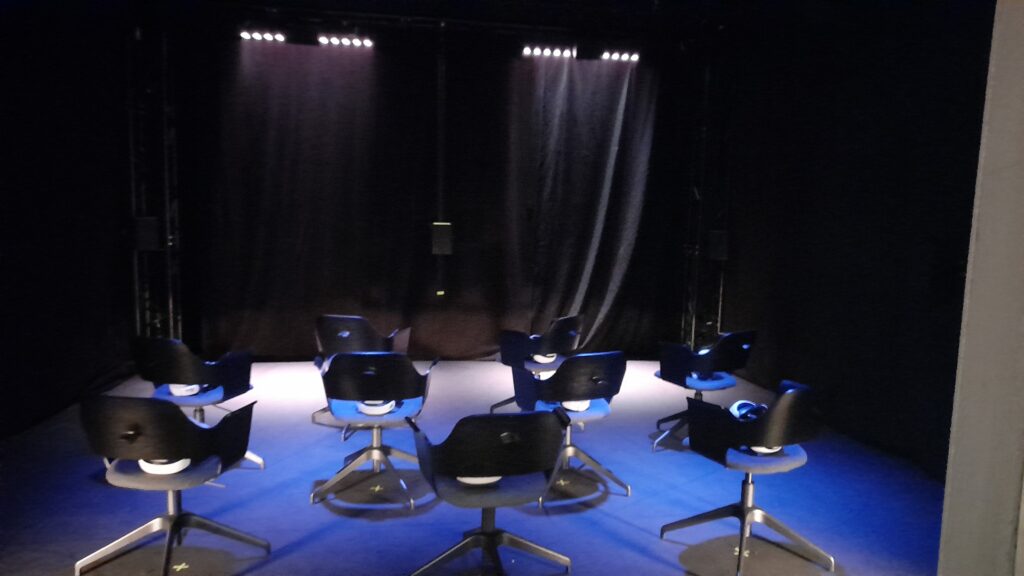
To mark their 20th anniversary, Wales Millennium Centre has announced plans for a new 550‑seat digital‑first theatre, dedicated to immersive and extended reality work. It’s a bold expansion that’s enough piece of Cardiff’s growing commitment to the future of digital storytelling. After experiencing Earths to Come, I’m excited to see what else they can do.
Earths to Come is at the Wales Millennium Centre until the 11th January 2026. If you’re curious about what VR can be beyond gaming, this is the experience to try.