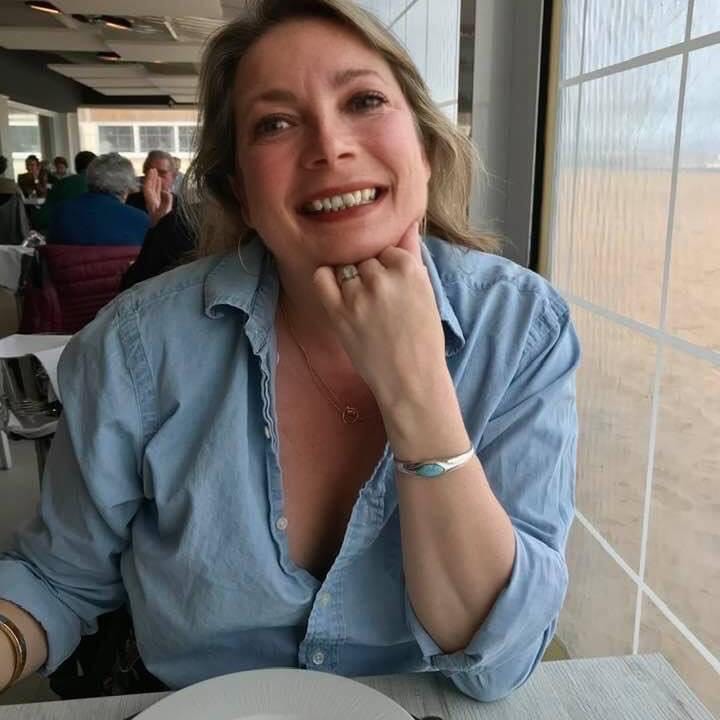
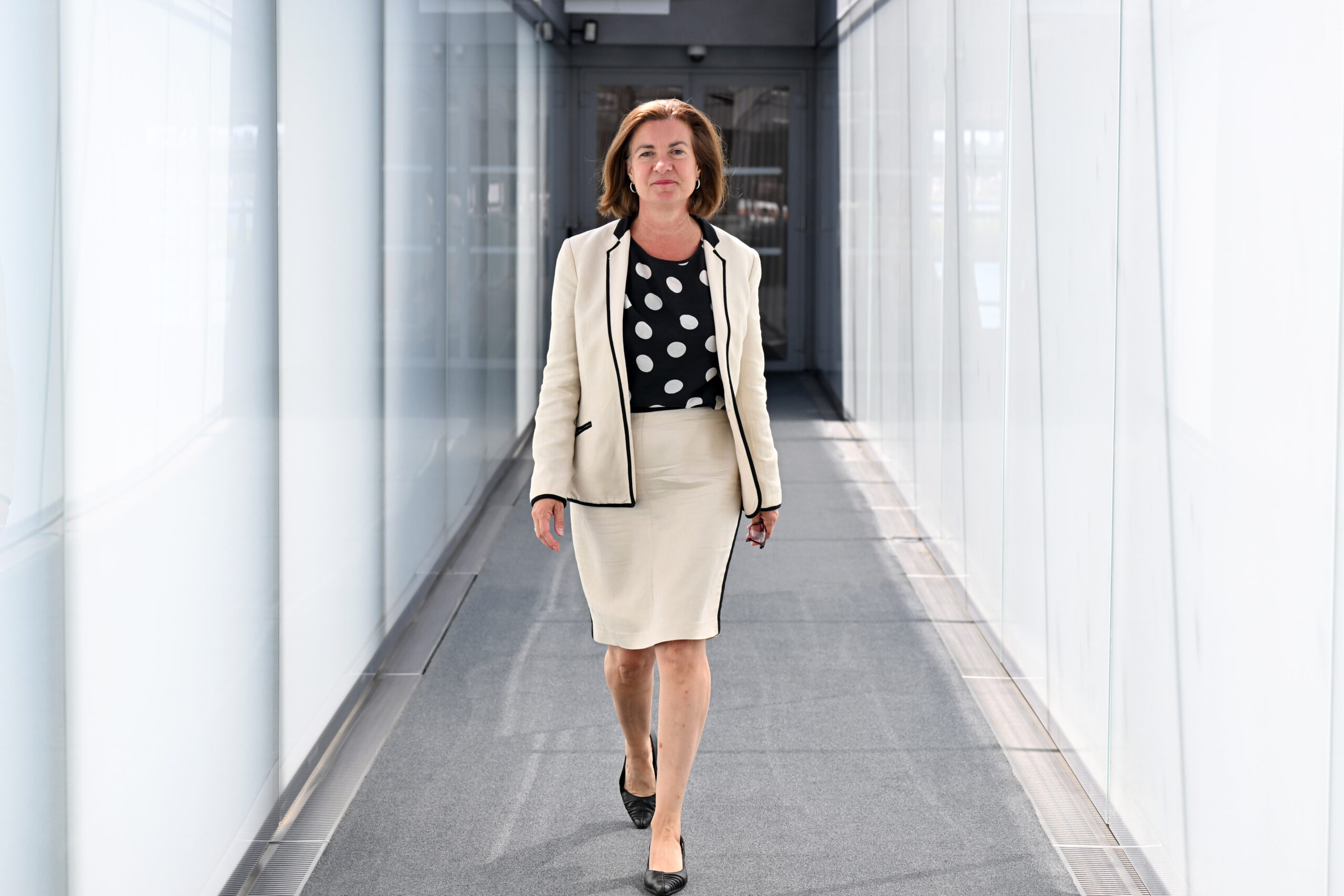
In this instalment of Olion, our series of conversations with some of Wales’ most inspiring women, Meryl Cubley Pritchard meets the First Minister of Wales, Eluned Morgan. The conversation is less about policy and more about people — about leadership, legacy, and the lives that shape both. As Wales looks towards a potentially monumental Welsh Parliament election in May 2026, Eluned reflects on community, creativity, and connection; the importance of grounding oneself in place; and how leaders, like artists, leave their own indelible marks on the landscape of Wales.
From humble beginnings living on the biggest council estate of its day in Ely, Cardiff, to becoming the First Minister of Wales, Eluned Morgan has been on quite the journey — whether you agree with her politics or not. She will go down in history as the first woman to lead Wales and will no doubt serve as an inspiration for the next generation of leaders, showing that background need not stand in the way of success.
Her work as First Minister will naturally leave its mark on history. Places, traditions, and experiences in Wales have also shaped her own identity. I ask whether there are particular childhood memories, landscapes, or customs that still influence her today.
“Without a doubt, my childhood in Ely shaped who I am today. Back then it was Europe’s biggest council estate and community was absolutely everything. If your washing machine broke, a neighbour would fix it. If you were struggling, someone would be at your door. That solidarity has never left me.
“I grew up in a vicarage, which meant our home was always open — open for a chat, a cuppa, or just company. My dad was the local vicar, but he was also famous for running the church disco — one week in the pulpit, the next on the decks! That mix of community, music, and a bit of mischief was a huge part of my childhood.
“And always, the Welsh hills and coast were there in the background – they give me a sense of perspective and remind me what we’re all working to protect: our country.”
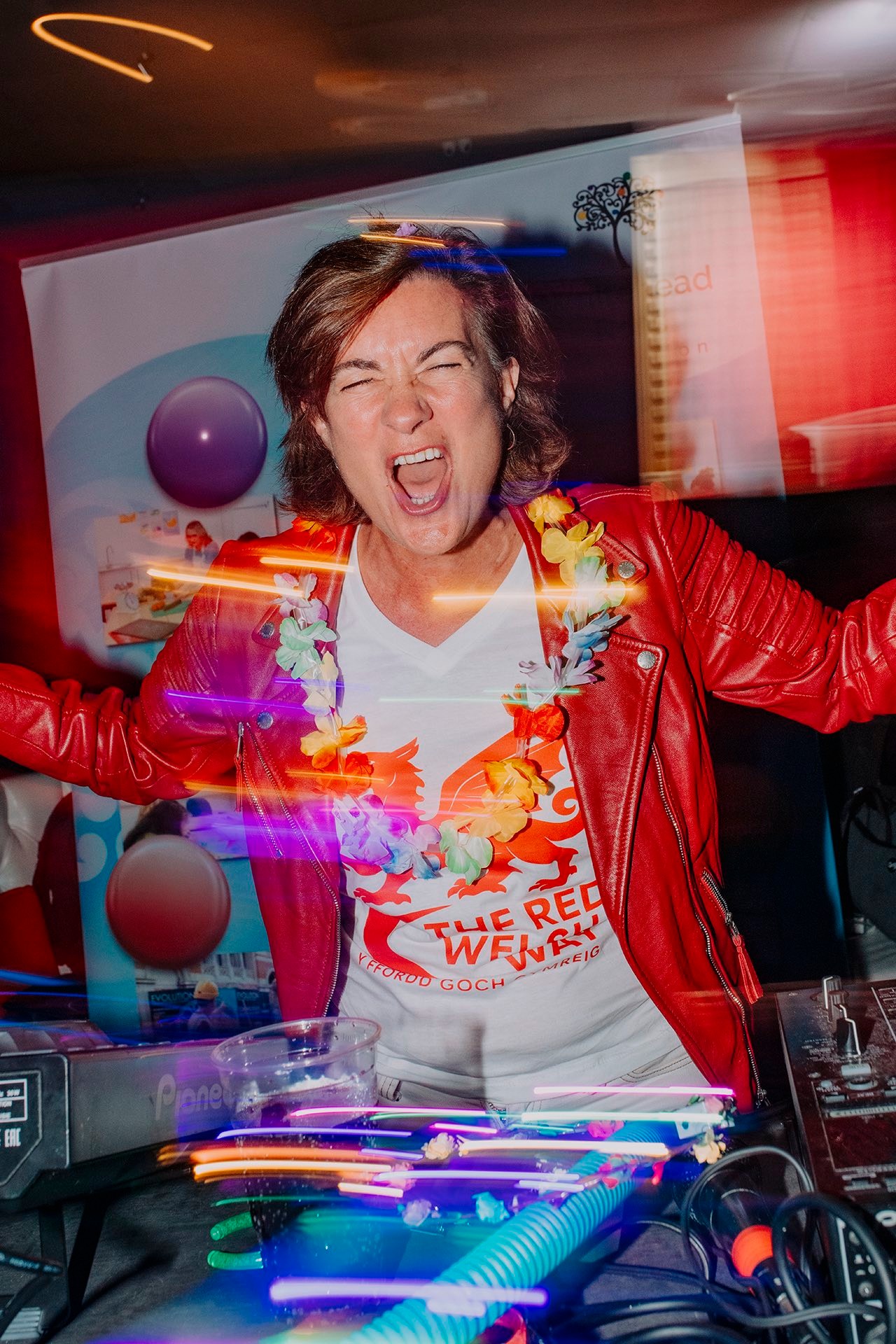
I suggest that she has spoken before about the importance of making politics accessible — and to that end, a photograph of her DJing in a nightclub was recently released. Speaking today to View Publishing — more known perhaps for lifestyle and community spirit than political journalism — I ask whether this means the age of the stuffy, detached politician is finally over in Wales.
“Well, I don’t know if Wales is ready for me on the decks every Friday night…” she laughs. “But yes, I do think we have to break down barriers. Politics matters to people’s everyday lives — their bills, their jobs, their families — so why present it as something distant? If that means showing that politicians are human beings with lives and quirks outside the Senedd, then I think that’s healthy. We need to meet people where they are — in their communities, online, even on the dancefloor sometimes!”
I ask what or who inspires her outside of politics — books, music, or people who have helped to shape her thinking.
“Music has always been a huge influence,” she says. “From hymns sung in chapel to Tom Jones to the Manic Street Preachers. Books, too – I’m drawn to writers who capture a sense of place and belonging. And of course, my family keeps me grounded — they don’t let me get away with much!”
As we go to print ahead of the 2026 election to the Welsh Parliament, I point out that at this moment she is the most powerful woman in Wales. I ask her to reflect on the women who came before her, whose legacies stands out, and how she sees herself continuing that lineage.
“There are so many Welsh women whose contributions often haven’t had the spotlight they deserve. Glenys Kinnock, for example, was a mentor to me – she was absolutely fearless, compassionate, and always international in her outlook. I also think of the thousands of ordinary women who held communities together through hardship — miners’ wives, nurses, teachers, mothers. Their resilience shaped modern Wales. If my leadership can show young women that there’s no ceiling to their ambition, and that politics can be a place for them, then I’ll feel I’ve lived up to that legacy.”
I’m interested to know how she sees the balance between progress and preserving Wales’ unique heritage. How does Wales move into her future, and how can innovation meet tradition?
“I’ve always believed that tradition and innovation aren’t pulling us in opposite directions,” she says. “Take our language, for example. Welsh is one of Europe’s oldest languages, yet some of the most exciting growth in its use is thanks to digital platforms, gaming, and AI tools. Or our music, rooted in chapel choirs and folk traditions, but inspiring a new generation of artists pushing global boundaries.
“The future of Wales lies in being confident enough in who we are to embrace change without fear. Making sure progress and technology don’t wash away our identity, but strengthen it.”
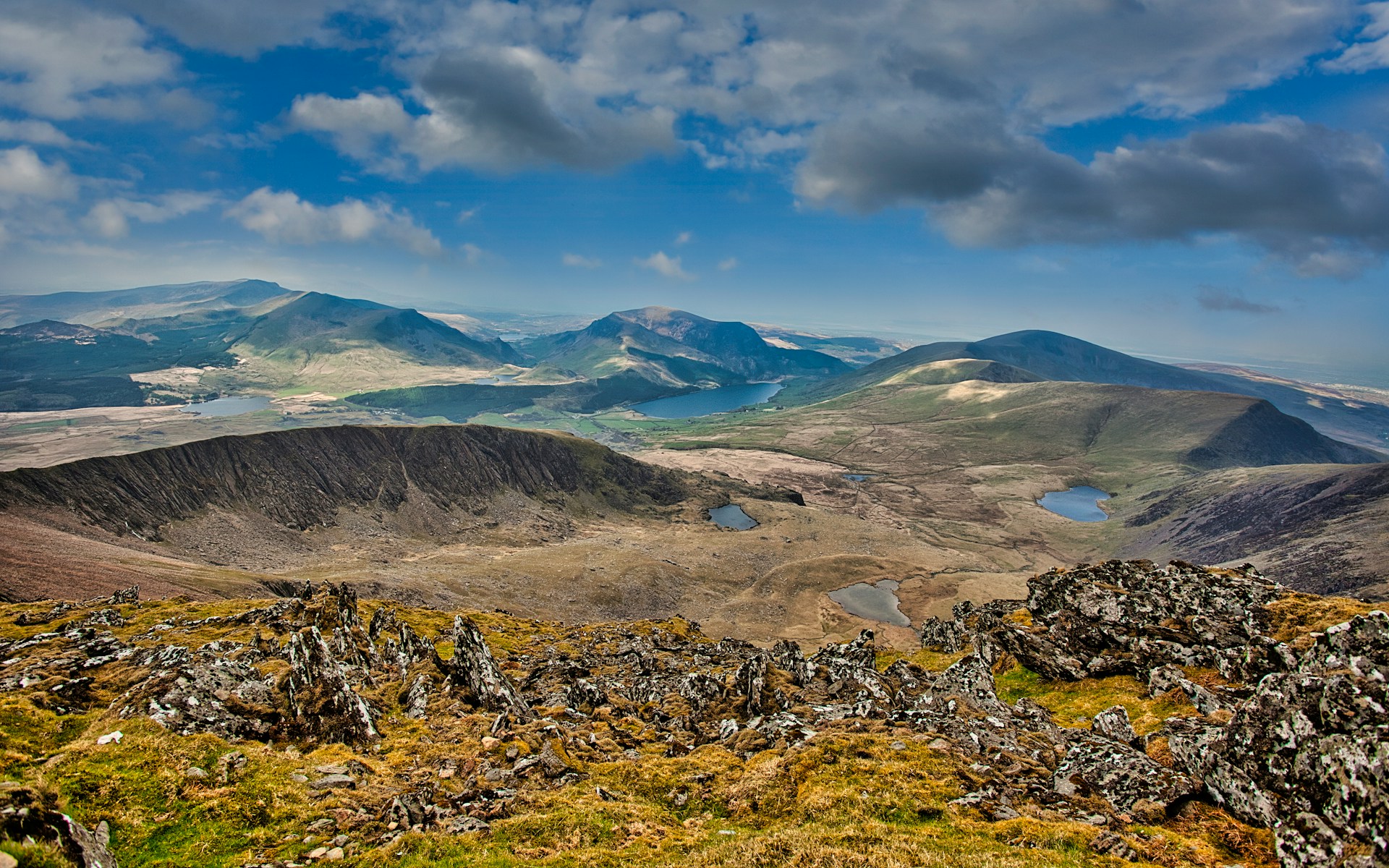
I ask her about the places or activities in Wales that help her rest and recharge. It’s well known that St Davids, Pembrokeshire, has her heart and that she spends time there caring for her mother, who is living with Alzheimer’s. I ask her to name the places throughout the Vale of Glamorgan and Cardiff to which she feels a particular connection.
“My mother’s family is rooted in St Davids and it will always be close to my heart — the cathedral, the coastline, the history. It’s where you can breathe and remember the scale of things. I also love walking the coastal paths in the Vale of Glamorgan — there’s nothing like the sea air at Southerndown or Dunraven Bay to clear your head! In Cardiff, Bute Park is a sanctuary in the middle of a bustling city. These are the places that remind me why protecting our natural environment matters so deeply.”
We discuss the growing feeling that communities are being lost. I ask whether, from her perspective, Wales can rediscover and preserve her culture.
“Culture lives in people, not just in museums,” she says. “If we want to preserve it, we have to keep it alive in our daily lives — whether that’s speaking Welsh at home or at work, supporting local artists, or passing on recipes and songs. We live in a global community now, connected by technology, but Welsh culture has been re-energised and is thriving. You can see it in how many people are learning Welsh thanks to mobile apps, or watching TV and film made in Wales. It’s all part of our gift as a nation steeped in the creative arts.”
“The future of Wales lies in being confident enough in who we are to embrace change without fear.”
I ask her, as a leader, what kind of Wales she wants to leave behind for future generations – what she hopes people will say about the mark she has left.
“I’d like people to say that we built a fairer, greener, and more confident Wales. A Wales where the NHS is secure for the future. Where tackling climate change is a reality. Where our children have the skills to thrive in a digital age, but also the roots to stay proud of their heritage. My hope is that the mark I leave is one of opportunity. That no matter where you’re born, you feel you can achieve your potential here in Wales.”
Lastly, I ask her what advice she would give her younger self.
“I think I’d say don’t be afraid to take up space,” she says. “When I was first elected as a Member of the European Parliament at 27, I often felt I had to prove myself twice over as a young woman in a male-dominated world. I’d tell my younger self to back her instincts, not to doubt her place, and to remember that resilience comes from staying true to your values.”
This conversation with the First Minister of Wales, Eluned Morgan, is a part of our series called Olion, the Welsh word for traces and mark-making — a series of conversations with some of Wales’ most inspiring women. We explore the marks they’re leaving on the world around them, the traditions and ideas they’re carrying forward, and what matters most to them in this moment. Together, we reflect on the Wales they’re helping to shape and the legacy they hope to leave behind.