Wales has always marked Christmas with traditions that feel older than the holiday itself. In South Wales especially, the season was shaped by chapel life, rural communities and customs that blended faith, folklore and practicality. Some faded, some changed, and some are now returning — each one offering a glimpse into how Welsh families once celebrated the darkest weeks of the year.
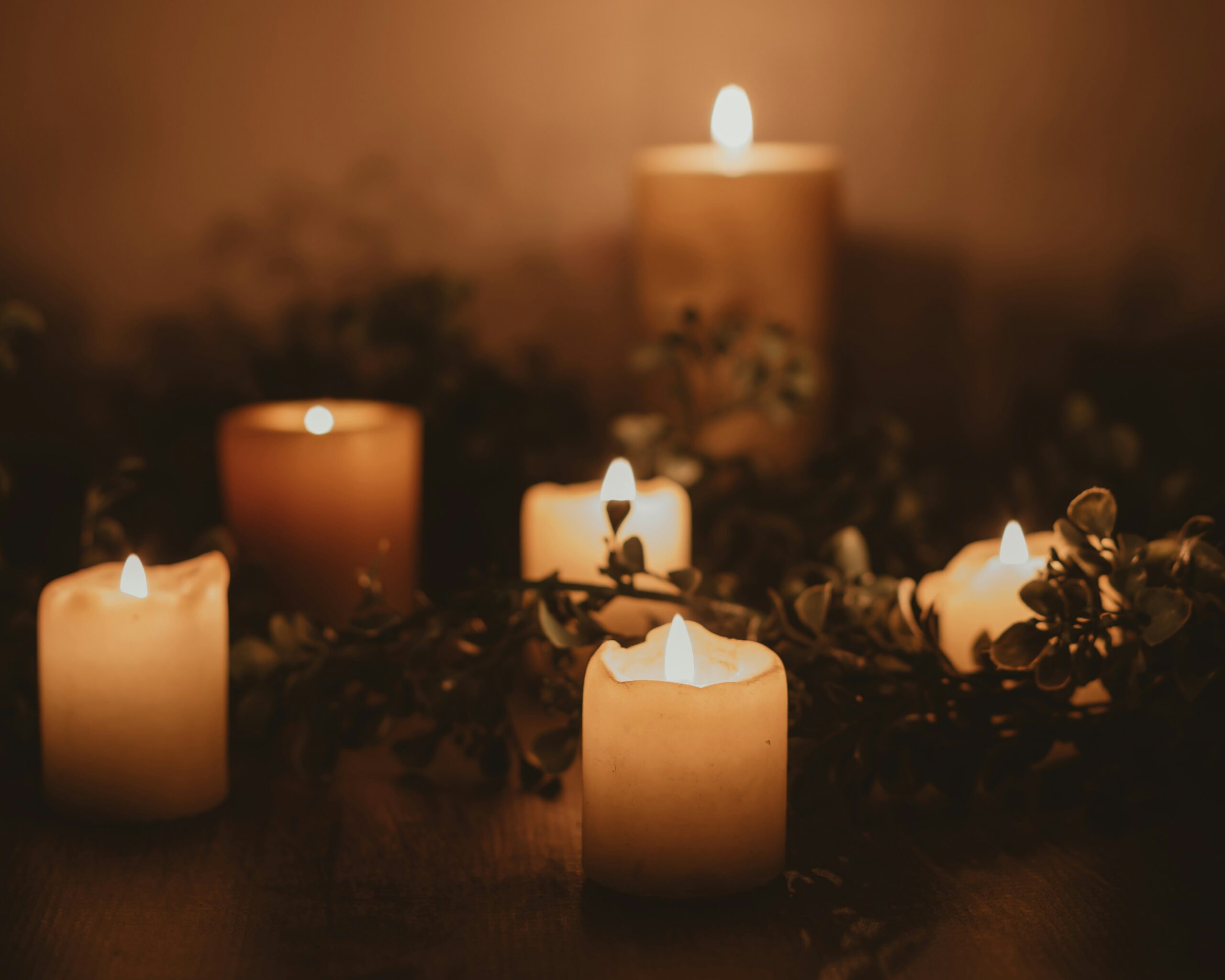
One of the most distinctive is Plygain. In the 18th and 19th centuries, families often stayed awake through Christmas Eve — sometimes called Noson Gyflaith, Toffee Night — making toffee over the fire and decorating their homes with holly and mistletoe. At three in the morning, they walked to church by candlelight for a service of unaccompanied carols sung by solos, small groups and choirs.
Plygain declined for a time, but today it’s returning, with churches across Wales once again hosting early-morning or evening Plygain services.
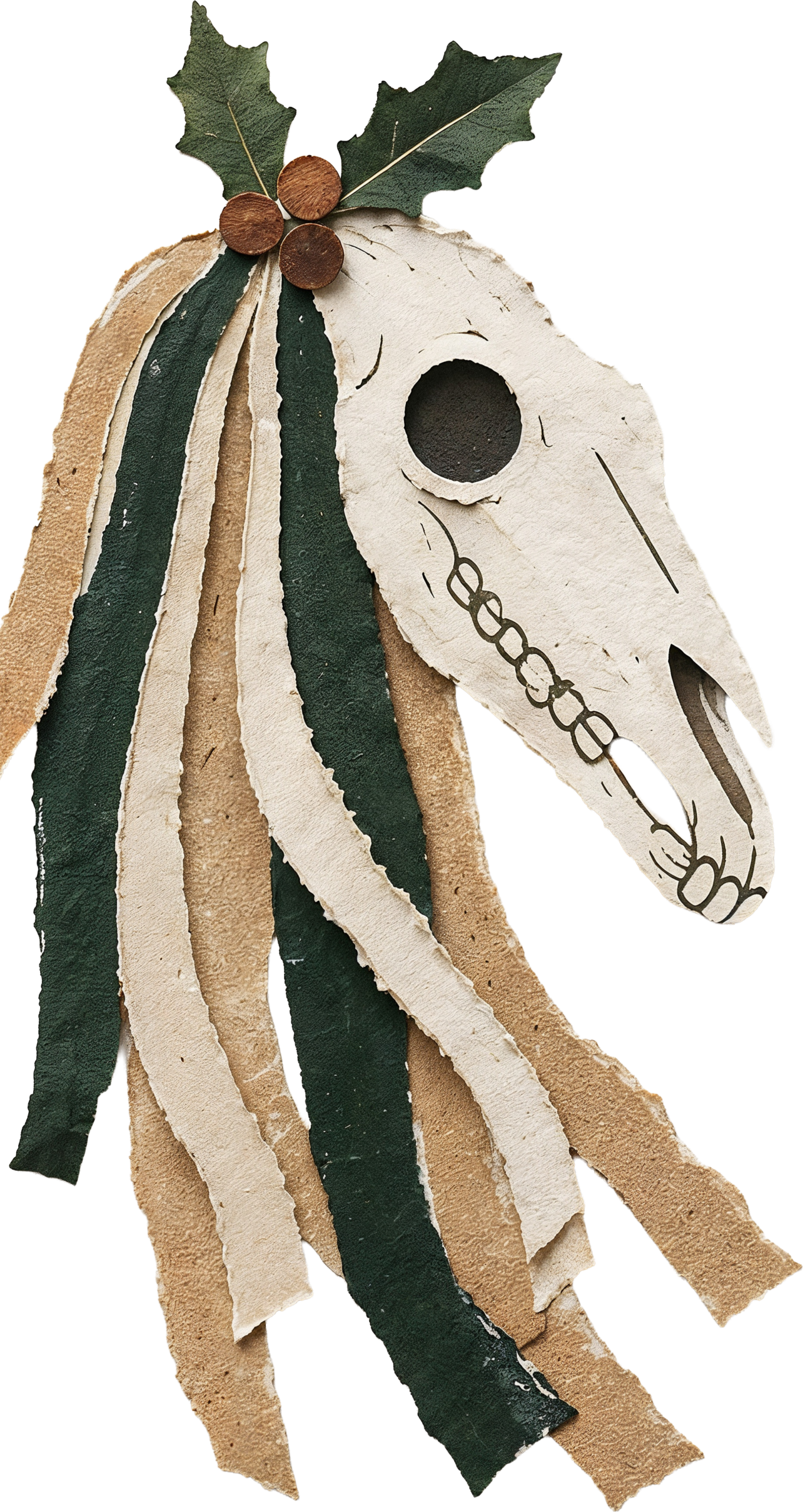
Another tradition, still very visible today, is Mari Lwyd. A horse’s skull mounted on a pole and draped in white cloth is carried from house to house between Christmas Day and Twelfth Night. The Mari is accompanied by wassailers who challenge households to pwnco, a fast exchange of rhyming verses. If the Mari wins, she enters the home for food, drink and good cheer. Modern Mari Lwyd processions now appear across South Wales, from winter festivals to pub gatherings and coastal events.
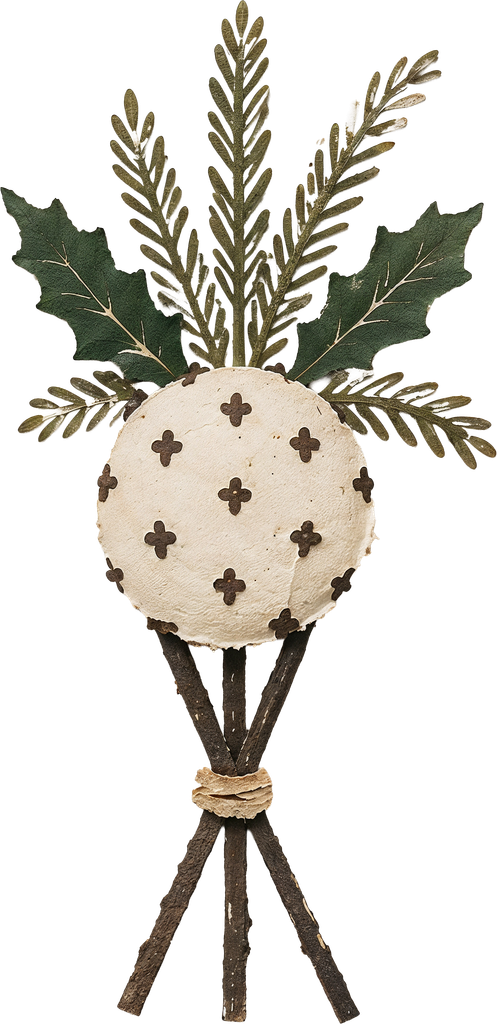
New Year brought Calennig, especially in the Valleys and Monmouthshire. At dawn on 1 January, children went door to door singing rhymes in exchange for bread, cheese, sweets or coins. They carried decorated apples or oranges mounted on three sticks, studded with nuts, herbs, oats and evergreen leaves — small charms meant to bring luck for the year ahead.
Calennig isn’t as widespread today, but you’ll still find it in schools, heritage events and community celebrations.