

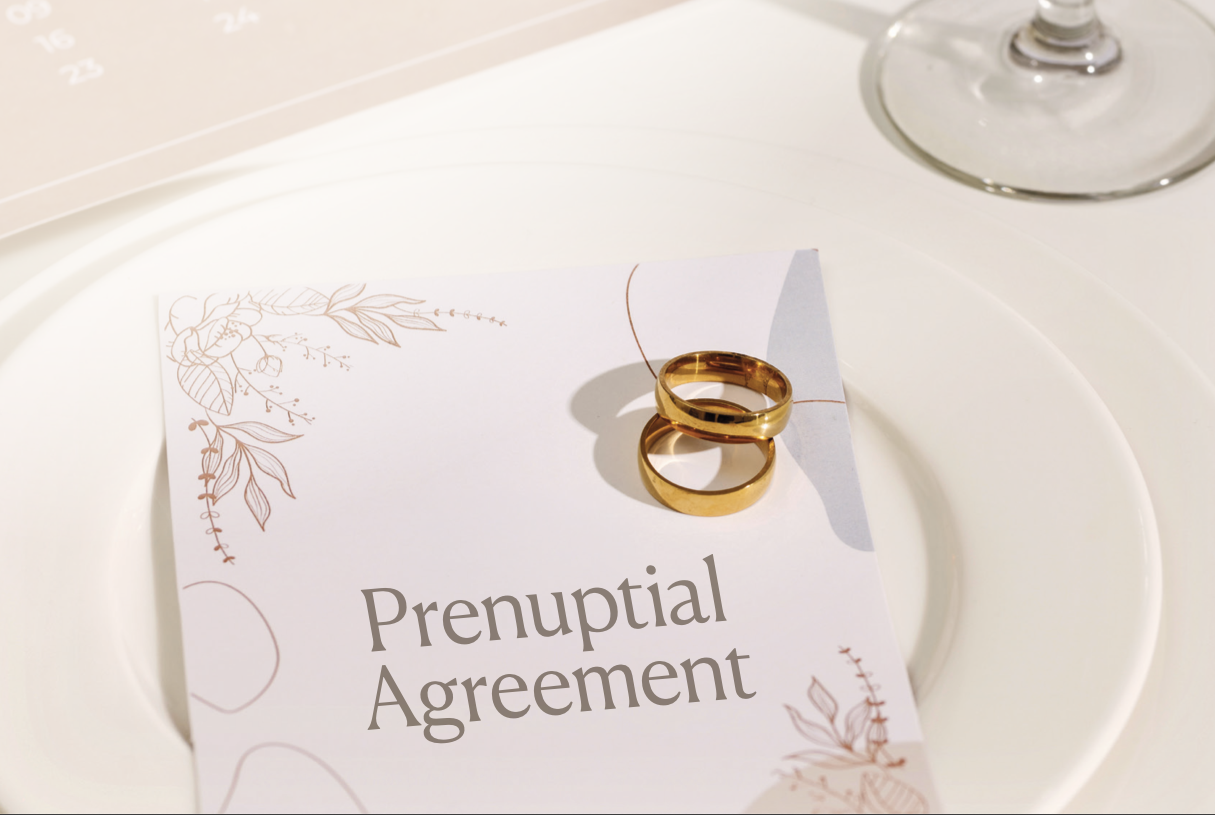
Pre- and post-nuptial agreements – are they unromantic and just for the rich? Not at all. As society, culture and understanding evolves, nuptial agreements are increasingly common in a range of scenarios, and in healthy, loving relationships.
Nuptial agreements are intended to help parties to a marriage or civil partnership protect property, business interests, investments, family wealth and inheritances, should a relationship end. They can also provide clarity upon any separation and avoid conflict and huge litigation costs.
No one gets married with the intention of separating, but the reality is that around 42% of UK marriages end in divorce (ONS). In second marriages and blended families you may wish to protect assets for children from a previous relationship. With business interests you might want to protect continuity. Similarly with trusts and assets intended to stay in a family line. You might be a sports professional where you earn well but perhaps not for long so need to ensure you have long term security.
Previously, nuptial agreements didn’t carry any weight in this country. That changed following the Supreme Court decision in Radmacher v Granatino (2010), where it was held that the court should give effect to a prenuptial agreement freely entered by each party, with a full appreciation of its implications, unless it would be unfair to hold a party to it.
Make sure you allow time though. Pre-nuptial agreements must be signed off by both parties and their representatives at least 28 days before the wedding. It can take several months to gather the relevant information, circulate drafts for consideration, make amendments between solicitors, and have everything agreed. The run-up to the wedding is a busy and exciting time so starting the conversation and engaging solicitors six or even 12 months ahead is wise. If time doesn’t allow or you are already married, then a post-nuptial agreement can be discussed but typically these are less frequent.
In strong relationships, parties can understand and respect why it might be important to discuss a nuptial agreement and in turn it might be said that you are less likely to be one of the 42%!
You can find out more at www.cjchsolicitors.co.uk