Architecture is often associated with scale and spectacle. For Mark Waghorn, founder of MWD Architects and MWD Makers, it is about something quieter and more powerful: connection to place, thoughtful material choices, and creating beautiful, affordable spaces that genuinely improve people’s lives.
Mark, you established MWD Architects in 2010 – can you outline the journey that brought you to that point – including the first time you realised that you wanted to work in architecture?
I wanted to be an architect from a young age, and as a teenager, I was particularly interested in the social impact of the built environment, a motivation which has stayed with me through my career in later life. After completing my training, I worked in London for many years for a small architectural practice, cutting my teeth on a variety of projects, including private and developer housing, and commercial clients including restaurants. The most rewarding experience at this time came when I was given the opportunity to steer through the successful extension and modernisation of a Victorian primary school, as it was the first real opportunity I had to satisfy my aspiration to effect positive social impact through design.
I notice that MWD Architects also includes MWD Makers – could you outline what those two disciplines cover for our readers please?
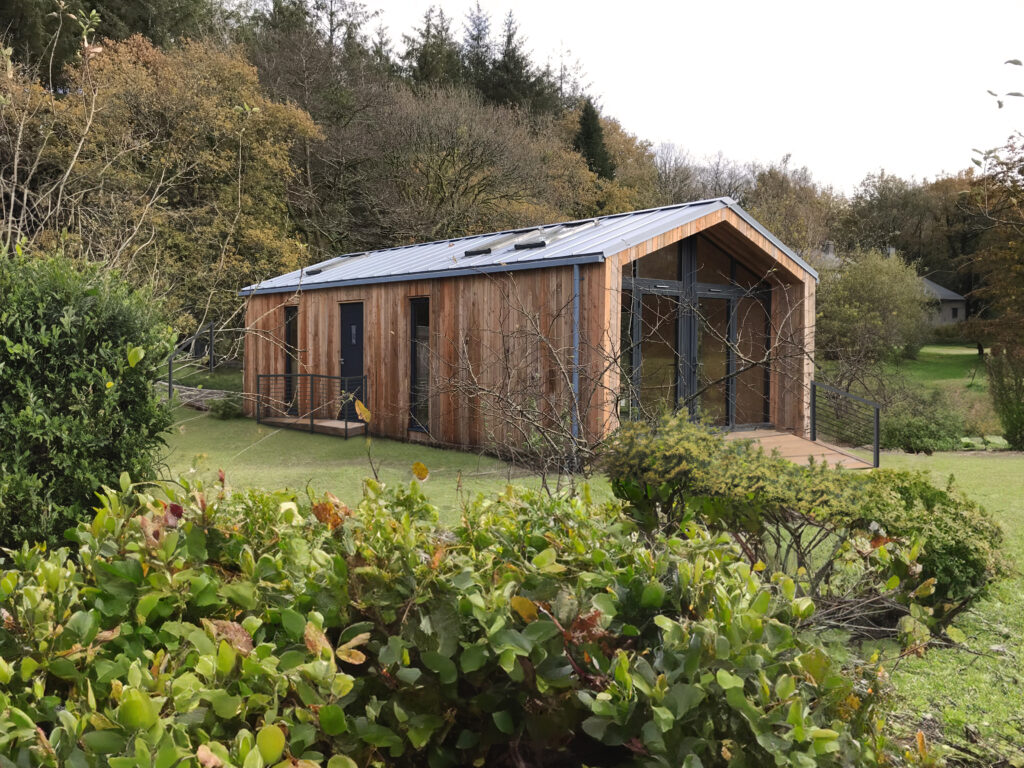
MWD Architects provides traditional architectural services as consultants. This means that we follow briefs provided to us by our clients to develop designs that respond to specific sites, each with their own constraints and context. MWD Makers grew out of my belief in the benefit of developing living spaces as products, which requires an understand of a target market as opposed to be specific client’s brief. MWD Makers’ products have been designed with particular types of setting in mind, but also allow a degree of customisation to suit client requirements or site conditions. In this way they combine the benefits of bespoke architectural services with the quality and cost benefits of product design.
Tell me why it is important to use materials that are either local to the build – or that sit in their surroundings in a way that is sympathetic to the environment?
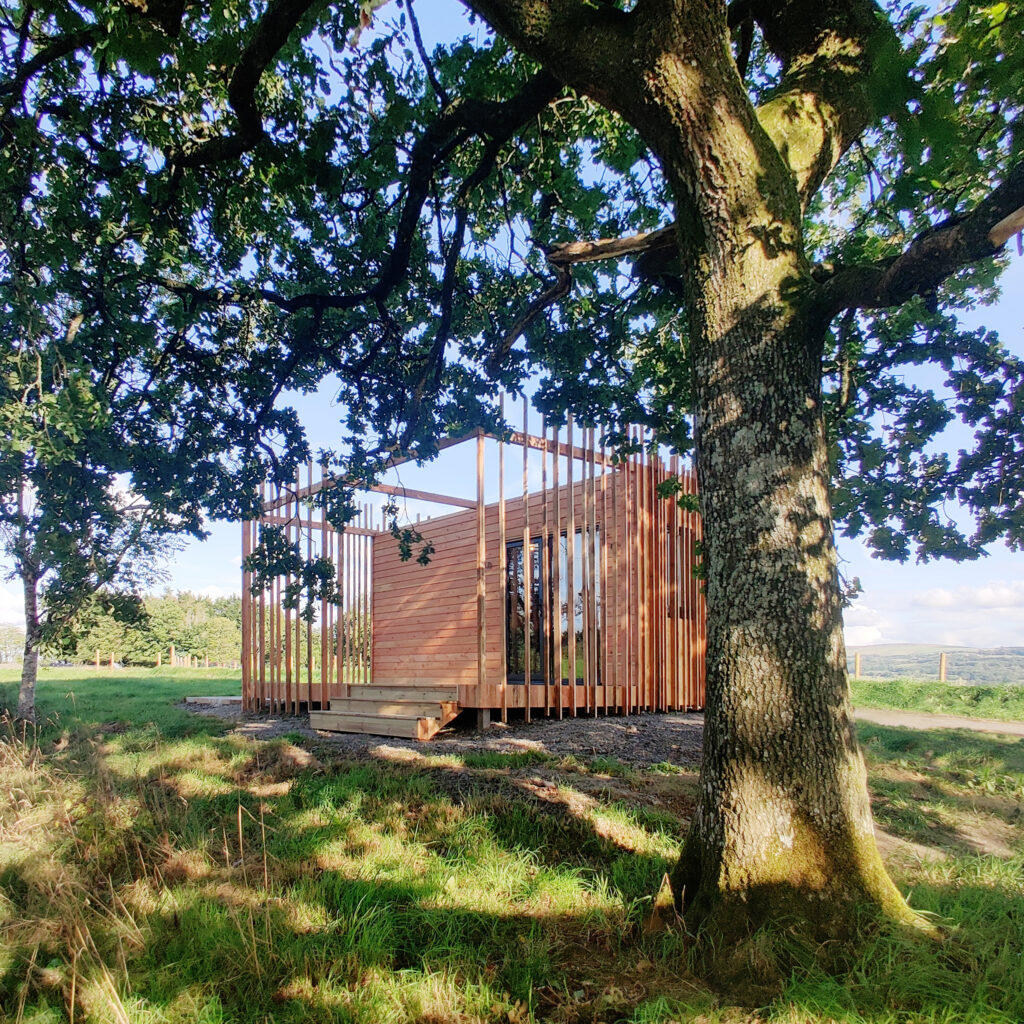
Although there is a practical limit to how many materials in a build can be sourced locally, I will always look for opportunities to do so. I believe that when locally, or even site sourced materials are visible on a building’s exterior, it is more likely to sit harmoniously in its surroundings, as a building that tells a story of its place helps us feel a connection to our immediate environment, which in turn is beneficial to our wellbeing. The use of locally sourced materials also has a number of other benefits. It supports local businesses economically and the ability to see firsthand the environmental impact of material choices makes us more conscious and respectful of the places we call home.

When we chatted, we discusses the fascinating 1973 book – Small is beautiful – Economics as if People Mattered – by E.F. Schumacher. Tell me why this 50 years-plus book still matters today – in fact, more than ever – and what it means to you?
Without going into a deep dive into economic theory, I would suggest that there is a clear thread that runs from the thesis Schumacher put forward, through the work of Satish Kumar at the Schumacher College to the thinking behind Wales’ One Planet aspirations. The former Environment Minister, Jane Davidson was a key figure in the step from aspiration to policy with the One Planet Development planning policy and the Wellbeing of Future Generations Act. I find the ‘small is beautiful’ message particularly relevant in the field of architecture and design. In an age that we are needing to take ever more care about how we make use of our financial and material resources, it is important that we do not comprise on the quality of what we create by being overambitious in terms of quantity and scale. By keeping the overall scope of a project manageable, we are able to focus more on the quality of design and make considered material choices.
Why Cardiff and Llandeilo?
As a practice that was based solely in a small town rural West Wales for many years, we have developed a rich understanding of the opportunities and needs of rural areas and have also developed an appreciation that the nature of their relationship to nearby towns and cities impacts their prosperity. The opening of our Cardiff office last year was a practical response to work opportunities and the practical benefits a city location provided, not least to our team. I have always appreciated the importance of the relationship that towns and countryside have to each other, and over the last year, as I have come to know Cardiff better, this appreciation has only deepened. For example, one of the things that makes Cardiff so special is the thriving culinary sector. Customers at restaurants value the provenance and quality of ingredients sourced from suppliers in rural parts of Wales. I believe this analogy applies also to the construction sector, and there is no reason to assume that prospective clients would not appreciate the same care taken in the choices of materials in the built environment if provided with the information to do so.

If you could choose one building material or item from history to ‘bring back to life’ would would it be and why?
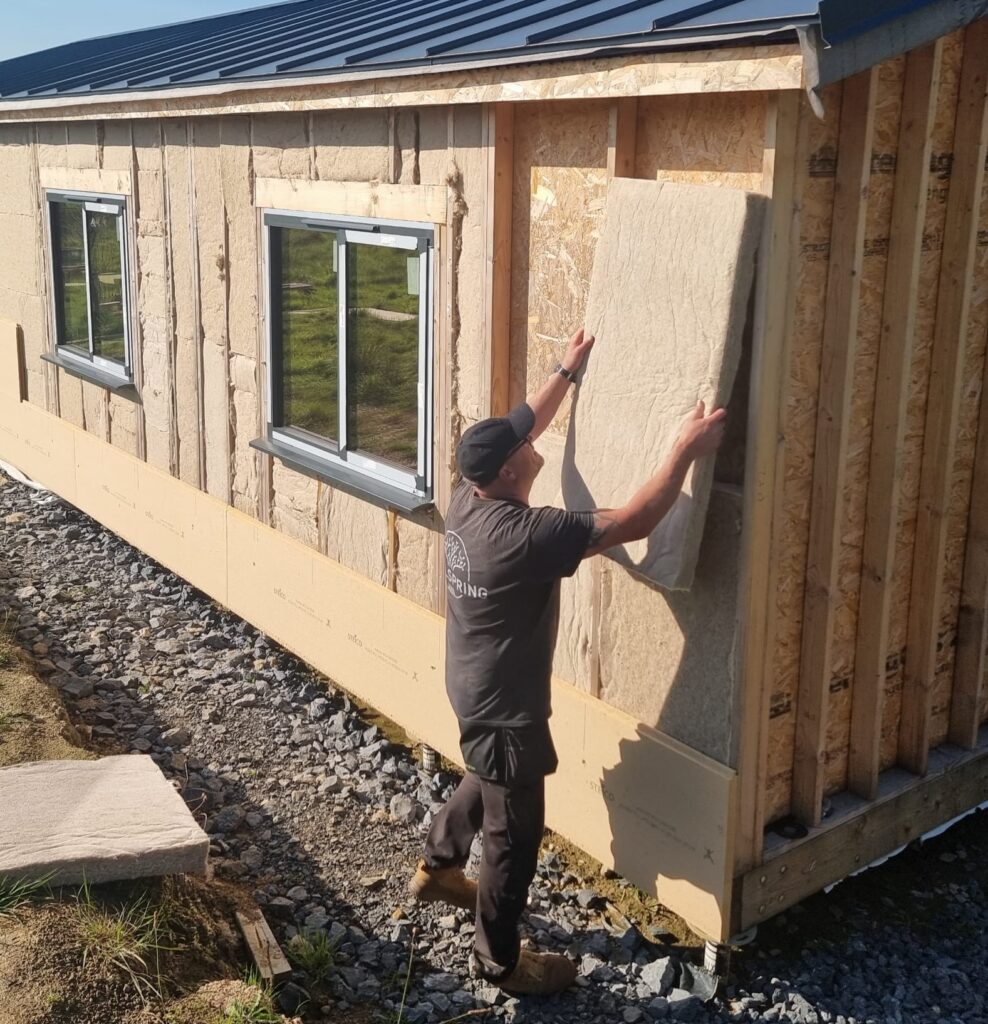
Hemp is an amazingly versatile material with a rich history that too few people are aware of. Its strength and durability mean it has been used for centuries to make ship rope, rigging and sails. After falling out of use for much of the last century, it is now steadily gaining popularity as a building material. At MWD, we have used UK grown hemp fibre insulation in our One Planet Park Home and really enjoyed the process, as it is a lovely material to work with. On another project, we have specified hempcrete and hemp block (which are both a mix of hemp and lime), combined into a solid 300mm wall, which meets the required insulation levels without the need for further insulation layers, whilst the thermal mass of the blocks keeps the internal temperatures steady.
What is the future for architecture in your opinion? Why does it matter?
I believe architects will always have an important role in larger projects, but for one-off projects for private clients, the cost of bespoke design services will always be a limiting factor. If you are looking to help people who don’t have access to significant wealth, as I am, the challenge is to provide something special for an affordable price. I think the answer to this is to reduce design costs through standardisation, by harnessing the benefits of quality and cost presented by a product-design approach. This can still be combined with an element of bespoke design, that responds to a specific brief or context, and the challenge for us as architects to find the right balance between the cost benefits of standardisation and desire to offer something unique.
Globalisation as a concept – what are you thoughts?
The economies of scale afforded by global supply chains can be very convenient and can have benefits by driving down the cost of materials and technologies that reduce our environmental impact. However, small suppliers have an important role to play in innovating and providing a choice to the market. The problem is that they can be outcompeted and driven out of business by large corporations. I think government has a role in levelling the playing field to allow small, innovative companies to thrive, but at the end of the day, it is up to everyone to make their purchasing decisions consciously and be mindful of the long-term risk of always chasing the lowest price rather than considering value for money in the broader sense.

How does Wales fit into Globalisation – if at all? What does it stand to gain or lose?
Wales was once at the heart of the globalised economy, with Cardiff being a hub for the import and export of raw materials and products that fuelled the industrial revolution. The decline of heavy industry in Wales has of course been challenging, but I believe that the country is endowed with natural assets that can make it an exemplar for others to follow in a new ecological age. In the built environment, huge progress has been made over the last few decades in improving the energy efficiency of buildings, which in turn has made it easier to power them through local renewable sources. As new products are developed and the pool of shared technical knowledge grows, there is a growing need for specialist training for designers so that these benefits can be harnessed. The team at MWD has a wealth of experience in this area and we even have our own in-house Certified Passivhaus Designer. Passivhaus is an internationally recognised standard that ensures a high degree of occupant comfort using very little energy for heating and cooling. You might say that is an example of a beneficial effect of globalisation, and one that we in Wales can build upon with our own unique perspective and natural resources.
Our theme for Spring 2026 is based around the ‘makers of Wales’ – how do you think MWD Architects and Makers fit into this?
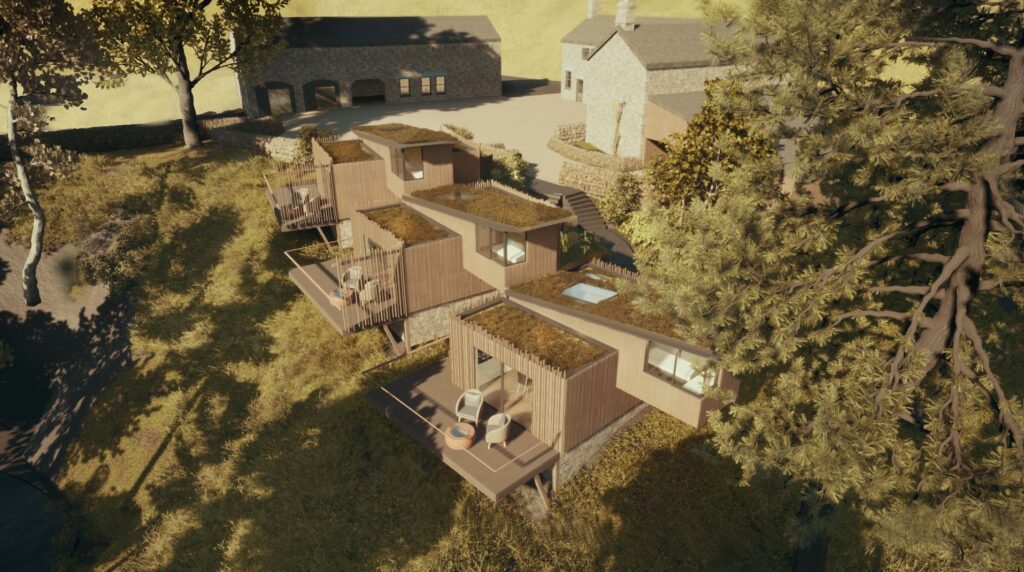
I believe that good quality design develops through observation and the active process of learning by doing. I have learned firsthand about the qualities of materials and the processes and challenges of construction by running a company that builds and supplies cabins and studios, and I have often been very hands-on, getting involved in laying floors, decorating and the like. This has given me invaluable understanding of the craft of making that informs my work as an architect.
As I see it, the biggest problem for architects today is that the subdivision of roles in the construction sector has led to our disconnection from the process of making. ‘Architect’ literally means chief builder, and similarly in Welsh, ‘pensaer’ is head carpenter or craftsperson, but today there is no requirement for an architect to have any practical involvement in the craft of building. By becoming makers ourselves, we have sought to recover this connection that has been diminished over time, and I believe that the knowledge gained in this way shows in the quality of our designs and our understanding of the needs of clients and other members of the construction team.