
Wellbeing is often presented as something we need to chase – a better routine, a better mindset, a better version of ourselves. Yet in Wales, wellbeing has long existed in a quieter form. Not as a goal to achieve, but as a way of living. We could call it Calon Cymru – the Welsh heart.
Here, wellbeing has traditionally lived in ordinary places. In kitchens, where the kettle is always on. Neighbours popping in without invitation. Shared laughter that softens difficult weeks.
Long before wellbeing became an industry, Wales practised belonging.
From a psychological perspective, this matters more than we realise. Our nervous system regulates best through connection. Safety isn’t created by isolation and perfection, but through familiarity, rhythm, and human presence.
When we feel seen and known, our body settles. Muscles release. Breathing deepens. We quite literally come back to ourselves.
And, if you think about it, Welsh culture has always fostered this – not loudly, but consistently. Community has historically been woven into daily life in chapel gatherings, rugby sidelines, local cafés, choirs, shared events, small talk that isn’t small at all. These interactions would act as mini-anchors throughout the week. They’d remind us we’re part of something bigger. And feeling part of something is one of the most protective factors for mental and physical wellbeing that we have.
Today, those spaces haven’t disappeared, they’ve simply evolved. Choir stalls and touchlines now have modern cousins in group exercise spaces: the shared rhythm of a Pilates class, the collective breath in a movement session, the quiet nods of familiarity before a workout begins. We might think we come for strength or flexibility, but what we’re often seeking is the same thing our communities have always provided – to move alongside others, and to feel held in a shared experience and safe space. A group class, at its best, is less about performance and more about presence. It echoes the choir: individual effort carried by collective energy.
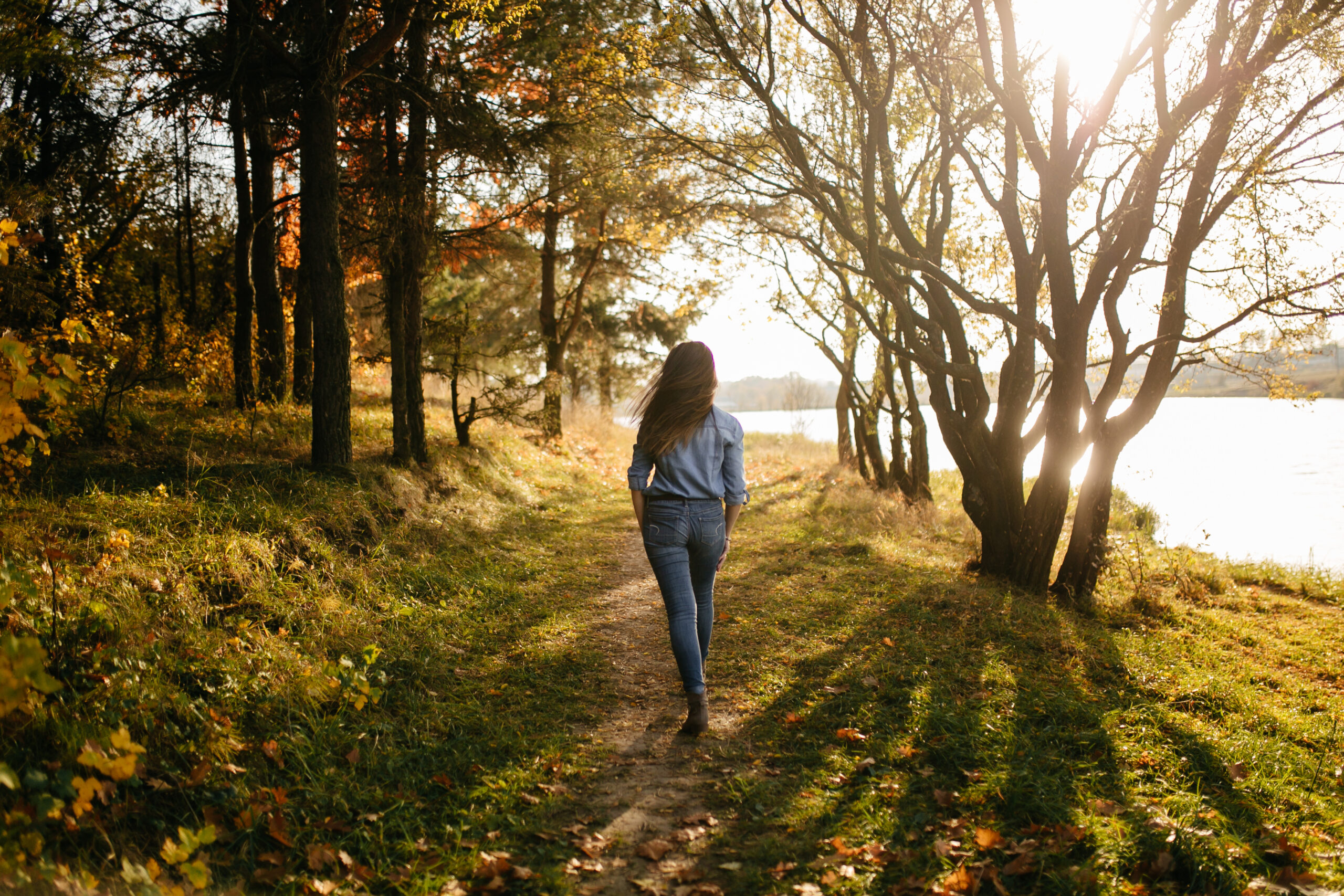
Our landscape supports this too. In a country where our weather changes quickly and terrain asks for patience, life naturally adopts a gentler pace. Plans can flex, conversations can linger, and walks can replace rush.
The spring season reveals this rhythm beautifully. Unlike harsher climates where the season bursts suddenly into life, Welsh spring unfolds softly – too softly some would say – buds appear gradually and light stretches a little longer each day. It mirrors how wellbeing truly works: not a quick dramatic transformation, but a steady, consistent return.
Modern wellbeing often emphasises independence: self-care routines, solo practices, personal development. These have value, but they miss something essential. Humans regulate humans. We feel better not only because of what we do for ourselves, but because of how we exist with others.
To live with Calon Cymru today doesn’t require changing where you live or who you are. It asks only for some small shifts:
- Pause to greet someone rather than pass by.
- Walk with someone, not always alone.
- Return regularly to familiar places, faces and voices.
- Let conversations be unhurried.
- Allow support to be mutual, not transactional.
Our wellbeing is carried in the collective voice, with humour, presence and warmth. It isn’t about becoming a new person, rather it’s about softening back into connection – with people, place and pace.